
 This post is brought to you by My Life Scoop
Get Tips For A Connected Lifestyle »

Summary: A very good eink reader, highly recommended.
Last week on Amazon Local (Amazon Local is Amazon’s Groupon/Living Social competitor) there was a deal for the Kindle 4 (or Kindle Basic) for only $49. I did not really need another Kindle, but it was only $49 and I figured I could give it away to someone.
I have written about the Kindle 4 before, but I have not actually used a real one. After four days, about 700+ pages of reading I am thinking about making it my main kindle and using my Kindle with Keyboard to loan to friends.
What I Like
I am amazed how small and light it it. It is 1 inch shorter, .3 inches narrower and nearly 1/3 lighter than the Kindle with Keyboard. The screen is the same size and maybe a slight bit better (in the side by side comparison picture below, the darks seem a bit darker).

 Takeaway: The Bible was written to people very distant from us.
  Summary: Tris and Four continue to have a rocky relationship and continue to try and figure out why being Divergent, like they are, is such a threat to society.
 Takeaway: Everything we do changes our brains. The repetitive action of computer and internet work is very effective at changing our brains. This has implications for everything.
 Takeaway: The Reformation is very important to the history of Christianity and Europe, but the mythology of the Reformation is often overplayed and detrimental to understanding modern history.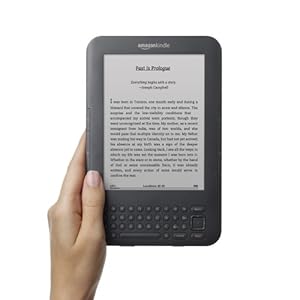
 Takeaway: The Gospel needs to be understood and Explicit.