 Summary: A play on the traditional Little Mermaid story.
I am a big fan of remixes and reimaginings of stories. Orson Scott Card’s Enchantment is a reimagining of Sleeping Beauty, Ta-Nehisi Coates Between the World and Me is a reimagining of James Balwin’s letter to his nephew in The Fire Next Time, Kareem Abdul-Jabbar’s Holmes trilogy is a reimagining of the original Sherlock Holmes books, most of John Scalzi’s books are riffing off of older SciFi stories (Redshirts, Old Man’s War, Fuzzy Nation to name a few.) So many of our best books are based on older stories and ideas reimagined for a different context or to say something different to a current generation.
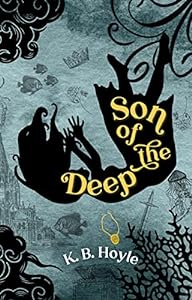
The Son of the Deep is a reimaging of the classic Little Mermaid story, which most of us know about through the Disney reimagining, not through the Hans Christian Anderson version, which is based on an older folk tale. In the Son of the Deep, it is “Hugo” who is the merman and who saves the Princess, and who has to convince the now Queen to marry him without his voice. The classic elements matter because they both are references that tell us more than just the simple words on the page; they highlight the subtle differences that do appear.
I will try to make this spoiler-free, but the back story to the Sea Witch matters even if we do not understand that connection until fairly late in the story. The magic of Hugo’s voice loss is more powerful than in the Disney version. He is prevented from responding to questions that may reveal too much about his background, writing, or any other form of communication. The tension between family responsibility and responsibility in our love for each other is stronger than in the Disney version. But this is not just a reimagining of Disney’s Little Mermaid; some of the classic elements, like merpeople becoming seafoam on death, are here.


 Summary: Young Adult fantasy series that is well-plotted, character-driven, and relatable.