 Takeaway: As Christians who believe in embodiment, we are Christians in a place, not just abstractly.
When I was in college I thought I was called to the city. I had a mentor prophesy over me that I was called to the city and pray that I would fulfill that calling. That mentor was later found in significant sin and left (quietly) in disgrace. I loved Chicago, where I spent more than than any other place in my life and where I still work. But in 2006 I moved to suburban Atlanta and now have lived in this house longer than any other home I have lived in. I honestly doubt that I will ever live inside a city like Chicago again. In large part because I have family. It isn’t that I would not take my children to a city, but that extended family structures matter and I am in an extended family structure that is suburban.
Over the past few years I have been changing in my attitude toward suburbs. In part DL Mayfield has given voice to some of why I have changed. She lives in community with recent immigrants and those in poverty in suburban Portland OR. In Portland, and much of the rest of the country, the suburbs are increasingly where the poor live. Nationally, more poor people live in the suburbs than either urban or rural areas. In addition, suburbs are becoming increasingly diverse. My county school district is now predominately minority. And while that is not reflected in the population as a whole, the population as a whole in my county is also booming more diverse. As DL Mayfield has said, she is in the suburbs because that is where the poor, the immigrant and the needy are likely to be found.
 Takeaway: Spiritual practices are not magic bullets.
 Summary: Nuanced children’s history for a difficult figure.
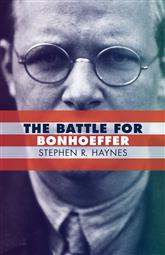 Takeaway: While Bonhoeffer is treated by many as a Rorschach test, there actually was a real person that should be dealt with honestly.