Summary: A rhetorical biography of Fannie Lou Hamer.
Fannie Lou Hamer, I think, has had a minor renaissance in the public’s imagination over the past few years. Kate Clifford Larson (who also has a biography of Harriet Tubman), Keisha Blain, and Maegan Parker Brooks all have new biographies of her in the last three years. There is also a children’s picture book only a couple of years older. And PBS documentary of Hamer in 2022. Maybe it is more about who I am listening to and the era I tend to read about. (Jemar Tisby, who lives in the Mississippi Delta area and is a historian of the 20th century Civil Rights movement, talks about Hamer as one of his heroes).
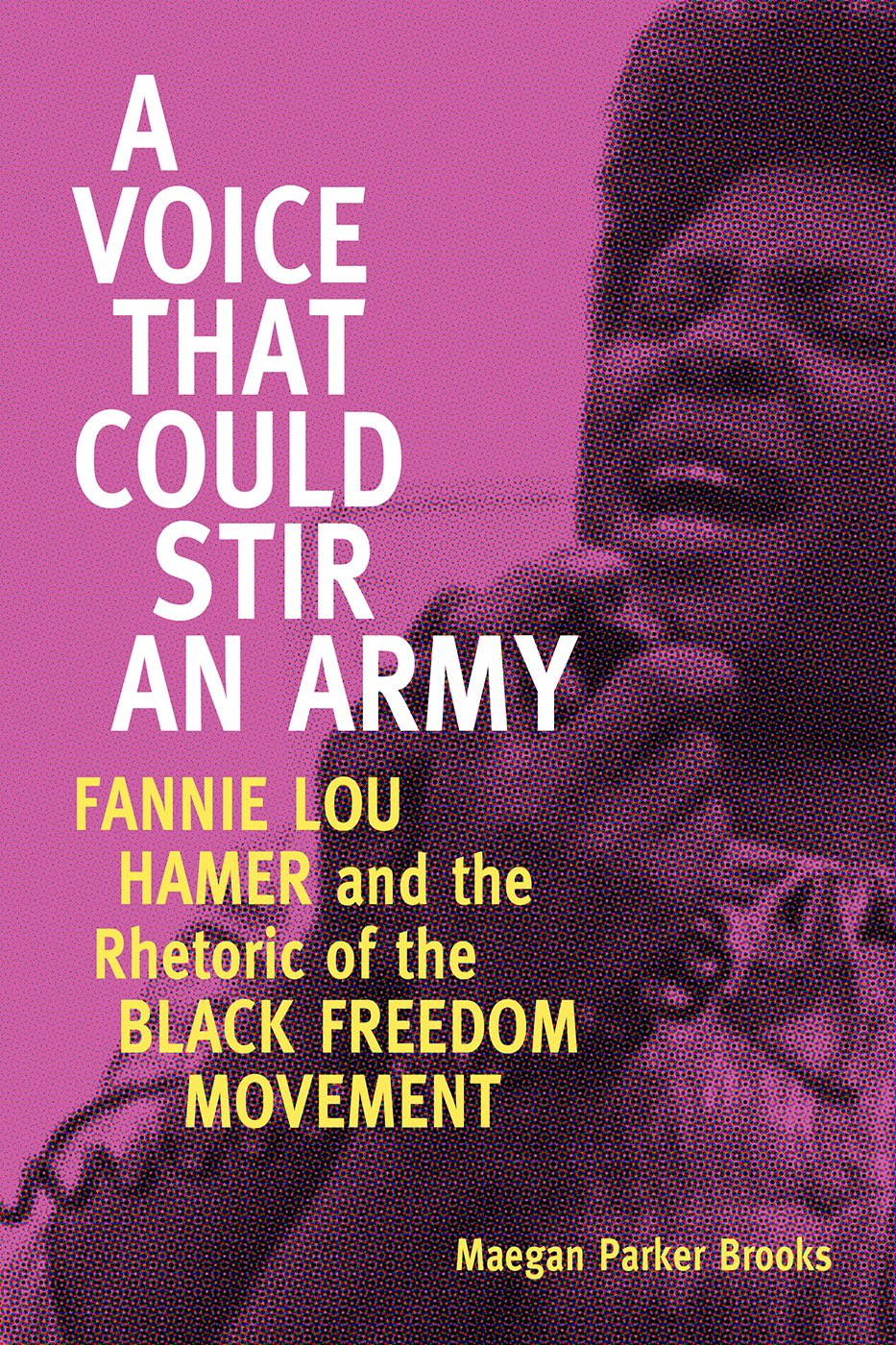
I read Keisha Blain’s short biography of Fannie Lou Hamer just over a year ago. Hamer was also a significant player in the biography of Stokley Carmichael. And many of the broader histories of the civil rights movement include discussions of Hamer’s work and influence. But A Voice That Could Stir an Army is the most detailed look at her life, especially the rhetoric I have read so far. Blain’s biography was intended to be a short, accessible introduction to Hamer at only 135 pages of the main text. Brooks’ biography is just over 100 pages longer, and while much of the difference is a close analysis of Hamer’s speeches, many details here help to round out Hamer’s legacy.