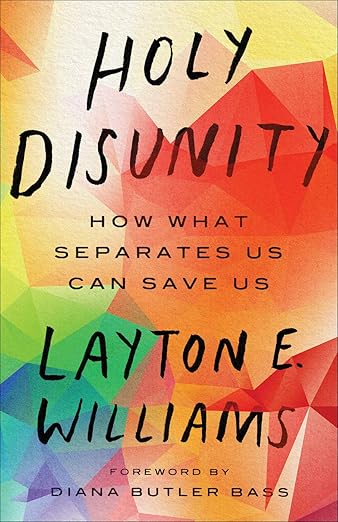
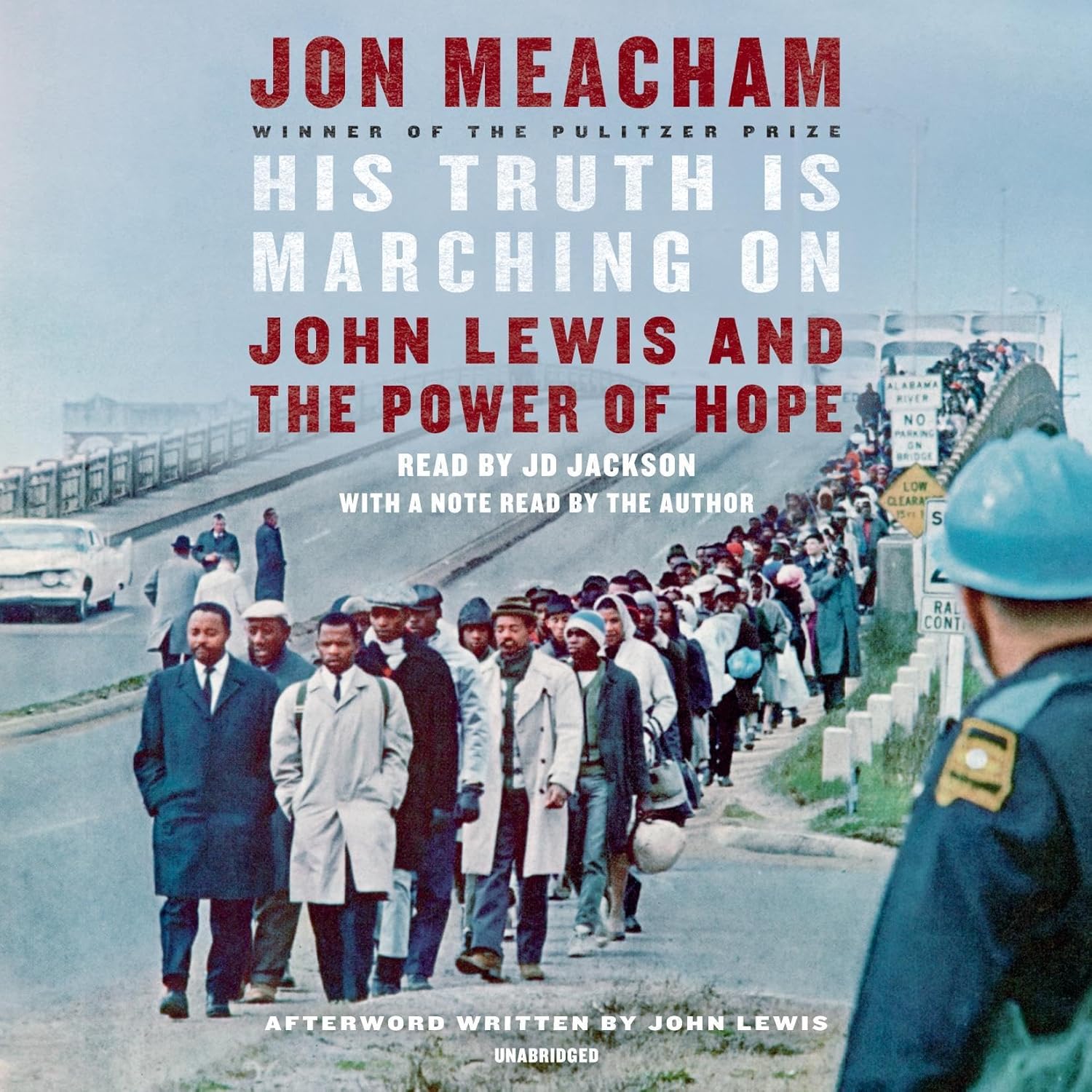
Summary: A semi-autobiographical look at the book of Esther from the lens of US racial justice.
I have long looked up to Brenda Salter McNeil. She doesn’t know me at all. But when I was in college, more than 25 years ago, I participate in the college’s urban summer program, working with homeless families in a long-term shelter in Houston for a summer. In part, that experience led me to pursue a master’s in Social Service Administration a few years later, and my entire work career has been non-profit consulting and management. Several of my friends also participated in the summer program in later years. One of those friends worked with Brenda Salter McNeil in Chicago. My friend could not speak more highly about the now Rev Dr Brenda Salter McNeil. But also, as a young White woman working in a Black community in Chicago under Dr McNeil, she felt clearly impatience around racial issues and a strong prodding to ‘get it’.
About the same time, I was attending an intentionally interracial church in Chicago, Rock of Our Salvation Evangelical Free Church. Raleigh Washington led the church, and Glenn Kehrein led the slightly older Christian Community Development Corporation. Together they wrote the book Breaking Down Walls about racial reconciliation. Not too long after I left the church because I moved to a different part of the city for grad school, Raliegh Washington left the church to work for Promise Keepers as their VP of reconciliation. I kept in touch with several from the church and for my master’s thesis, I looked at the different ways that church-based community development work understood the relationship of the non-profit ministry to the work of the church. The Rock of Our Salvation/Circle Urban model was one of the three models I profiled and I interviewed Glenn Kehrein for that thesis a couple of years after Raleigh Washington had left. The Promise Keepers’ model of reconciliation, which I talked about with Glenn, and which has been written about frequently as a step, albeit a limited one, toward racial reconciliation, was incomplete.