Summary: Short focused chapters on the meaning of the Apostles’ Creed.
I have been more focused on catechesis (the training and instruction about matters of Christian faith) over the past several years as I have both become more liturgical in theological bias and more focused on spiritual formation.
Discipleship (which in some ways is another way of thinking of catechesis), means growing to be more like Christ. It is not about becoming a particular culture or look or personality or knowing certain things, but it is about growing to become more like Christ.
Part of what I have become convinced is that we should not be training people to avoid sin, although I am not denying the reality of sin or the harm that it does, but training them toward right desires. I think porn is one of the most simple ways of illustrating this, I have heard from many that their desire to consume porn could not be managed away. Knowing porn was bad for them and simply trying to be better was not what has worked for many that I have talked to. Understanding the subject of the porn as created in the image of God and distorting the goodness of sex and their bodies for the titillation of others, usually strangers, by my anecdotal evidence, seems to be more effective. The right understanding of good things and the right desire for those good things is more important than personal desire to not do wrong.
What does that have to do with the Apostles’ Creed? The Apostles’ Creed is one of the oldest distillations and positive affirmations of the Christian faith. The Creed was likely first used as a baptismal statement of faith. An affirmation of what we believe and who we believe in. The Apostles’ Creed is a positive statement. If you know some church history you can see where some of those statements are blocking false beliefs, but it is mostly about what we positively believe.
Ben Myers is setting out a straight forward, exploration, sometimes word by word, of what the Apostles’ Creed means. It is not super long. The chapters are short. It would make a very good small group study or personal devotional reading. Just in the past couple years I have read books on the creed by Hans von Balthasar, Derek Vreeland and JI Packer and attempted a video series on the Apostles’ Creed with a small group.
Of the books I have read on the Creed, none have been horrible, but Myers’ book on the Apostles’ Creed is the one I would recommend first. There are a couple of reasons,
1) it is ecumenical. The biggest problem with von Bathasar and Packer’s books on the creed where they were assuming either Catholic or Reformed understandings of Christianity. Meyers is a Protestant and probably has a few statements that are too Protestant for Catholic or Orthodox readers, but he does not, as Packer does, complain about other streams of Christian faith’s understanding of Christianity while explicating one of the most important ecumenical statements of faith.
Read more
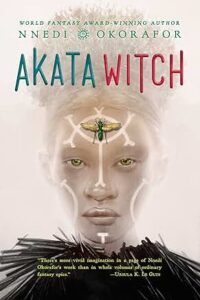 Summary: An outcast finds out yet another reason for her to be outcast.
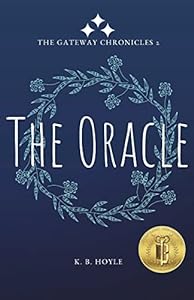
 Takeaway: Skip the audio and do this book in print.
 Takeaway: We are actually supposed to be praying the Lord’s Prayer.