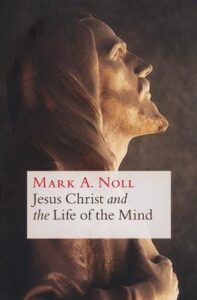
 Summary: An exercise in what it means to encourage the life of the mind, bounded by the creed, with the example of history and with illustrations of how that can work out in practice.
I deeply respect Mark Noll, not just for his history and the quality of his teaching (I had an undergrad class with him at Wheaton and a graduate class with him at the University of Chicago) but also for his broad encouragement of intellectual life outside of his field of history. His Scandal of the Evangelical Mind continues to have ramifications in the Evangelical world.
Jesus Christ and the Life of the Mind is, in many ways, a follow-up to The Scandal of the Evangelical Mind. The extended postscript on the edition I read gave a direct update on where Noll has been encouraged since Scandal and areas of continued need. But the rest of the book was a guide to how Noll thinks we should encourage the life of the mind in the Evangelical world.
Jesus Christ and the Life of the Mind was published in 2011, and I wonder how it would be different had Noll written it in 2018. Part of the weakness of Noll’s project has been that he has mostly encouraged the life of the minds of academics and theological leaders within the Evangelical church. It is not that he is unaware of the average layperson or that he does not think that the development of the life of the mind of the laity is important. However, the pitch of Noll’s work catches the interest of those who are already intellectually active.
Someone else may have originally said it, but I remember Alan Noble commenting on Twitter about the split in Evangelical leaders in their support of Trump. Noble suggested that broadly, the academic and theological leadership, as well as much of the ministry-focused leadership, has been against Trump from the start. But much of the political leadership and culture war leadership has supported Trump. Others have made a different point about the split in between the clergy that have been more likely not to support Trump than the laity of the Evangelical world.
Noll is encouraged that the life of the mind is trickling down, but he did agree in his postscript that his original charges in Scandal did not acknowledge enough the general anti-intellectualism of American culture more broadly. So as much as I appreciate Noll’s work on the intellectual life of the Evangelical world, his impact has been limited, and while the Trump phenomenon is not a result of that limitation, it likely is an illustration of the phenomena.
As a whole, I alternate between being really appreciative of the concept of this book and the fact that Noll is attempting to work out on paper how we encourage intellectual life within the bounds of Christianity and being frustrated with how he does it.
Read more

 Summary: A father’s lament after his son’s death.

 Summary: A set of books (one for parents and one for kids) to talk about race and racism in light of scripture and Christian faith.
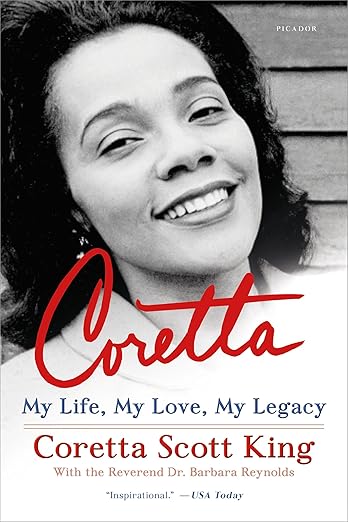
 Summary: King and Bonhoeffer both were killed at 39 after lives known for pushing the church toward greater ethical behavior. Their thinking, lives, and action overlap and diverge, but they continue to impact Christian social ethics over 50 years after their deaths.