
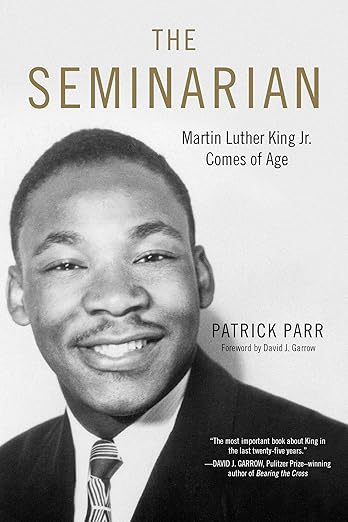
 Summary: Exploration of King’s years at Crozer Seminary, from the time he was 19 to 21.
The Seminarian is the first book to deal particularly with Martin Luther King’s seminary experience. MLK was young, only 19 when he graduated from Morehouse College and started his seminary program. Crozier was also his first extended time away from home and a predominately White institution, although by the time of his graduation, about half of the small class was Black. But the institution, the professors, the administration the curriculum was White.
The Seminarian is well written and organized. It is well documented and in areas where there is necessarily speculation, that speculation is well explained and clearly understood as speculation. In addition to talking about King’s coming to maturity and grappling with his call to ministry and covering the curriculum and education at Crozier, there are two main contributions that I think The Seminarian provides to King scholarship (at least at the lay level).
First, there is lots of discussion and documentation of King’s romance with Betty Moitz, a White woman and the daughter of seminary cook. (King worked in the cafeteria so also knew Betty’s mother well.) That romance, which was very guarded, proceeded very slowly, but ended before it went too deeply. It appears that King reluctantly broke the romance off because he was encouraged to by his friends who were concerned that King would both not be able to be a preacher in the Black church with a White wife and that King would not be able to move south at all with White wife. It appears that King’s family never knew about the romance. Parr did speak to Betty Moitz and other friends of King’s at the time that did know about the romance and the discussion is something new to King scholarship.
 Summary: A recent history from 1974 focusing on the increasing polarization as a result of four “˜Fault Lines’, income inequality, racial division, changing gender roles, and changing sexual norms.
 Summary: The emphasis on love is not just doctrinal, or practical, or pragmatic, it is central to the way of Christ.
 Takeaway: I need to read this again.
 Summary: Blade, the son of a famous, but notoriously addicted rock star, tries to find his way to adulthood.
  Summary: An exploration of reading as a means of learning virtue.
 Summary: A family moves to the US and the three generations change, adapt and remain Bengali.
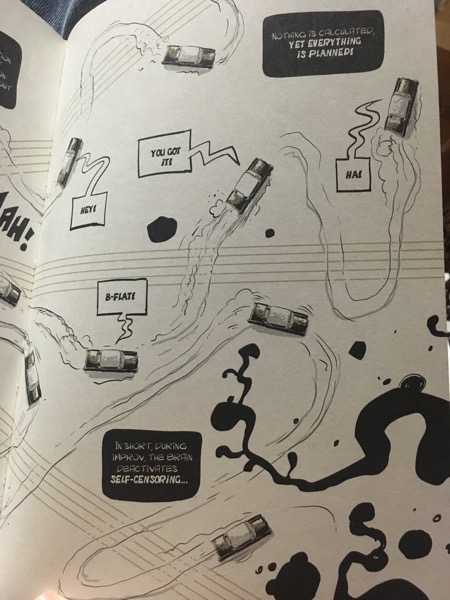
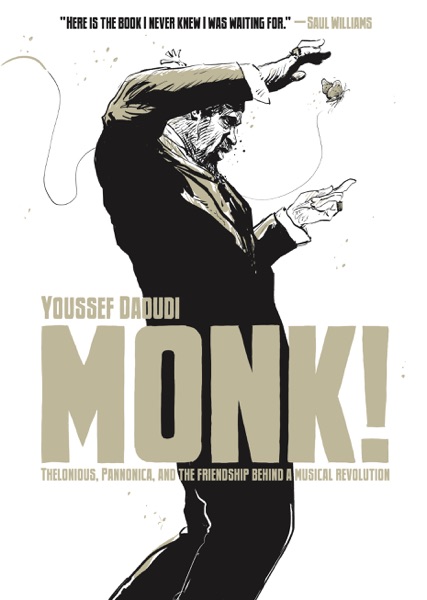 Summary: Great presentation of improvisation in art form.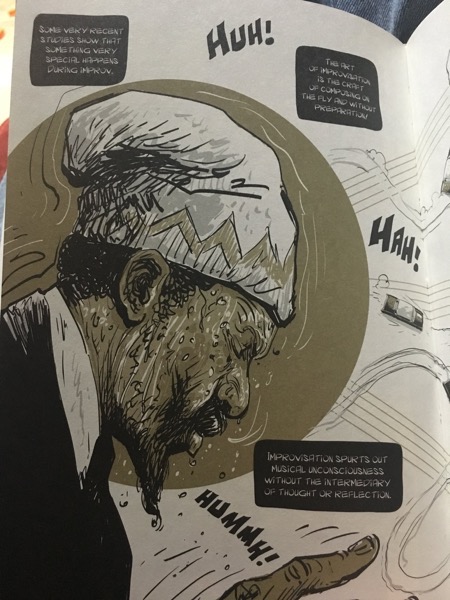
 Summary: A linguistic, philosophical and cultural commentary on the backlash to minorities talking about racism.