
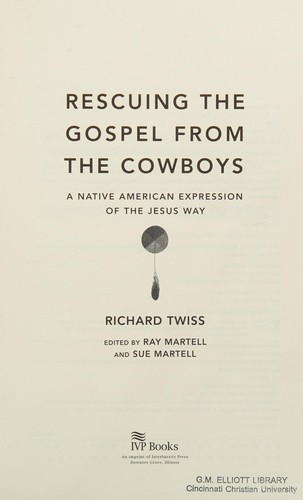
 Summary: What it means to be a Christian cannot be culturally constrained.
I have been meaning to reading Rescuing the Gospel from the Cowboys pretty much since it came out. I briefly met Richard Twiss at a conference sometime in the late 90s. That was enough for me to know I wanted to read the book, but it was not until two recent things that I actually started reading the book (although I bought it several years ago).
The first thing was the discussions about John Chau’s death as he attempted to reach an isolated group of people on an island off the coast of India that reportedly has had almost no outside contact for hundreds of years. As part of that discussion, a Facebook friend of mine suggested Rescuing the Gospel From the Cowboys as an essential book to thinking about how we approach unreached people groups. The second reason I actually picked up the book was that I realized when looking at my reading over the past two years that I had not read a single book by a Native American author.
Richard Twiss’ focus in Rescuing The Gospel from the Cowboys is helping to understand how he can be Christian and remain culturally Lakota. The early parts of the book trace both his own story and the story of Native Americans in the US more generally. Both of those stories are similar, Christianity is continually presented as a White man’s religion, not just historically, but as culture. To be Christian means that Native Americans have historically (and today) been told that their culture is pagan, and therefore they must become White culturally to become Christian.
I roughly understood the history. But reading direct reports are important to hear. More important is the theological and cultural work that is being constructively done here. I can understand why some will disagree with some of his conclusions and approaches. However, what is important here is that those within the Native American culture are working out what it means to be Christian and Native American.
 Summary: A slave is “˜rescued’ by John Brown in Kansas and tells his story through the Harper’s Ferry raid.
 have taken a number of different approaches to my end of year lists, reposting over a week or so the reviews of the books I loved the most. Or posting separate lists of best fiction and non-fiction. This year I am going to approach it thematically.
 think fiction is particularly good at building empathy and it is one of the reasons I keep wanting to increase my reading of fiction. But this section is not only fiction. Most naturally in this section is
 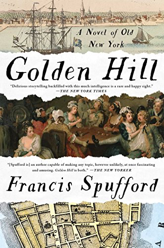 Golden Hill by Francis Spufford
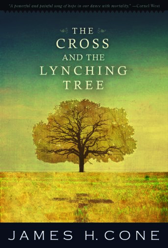 Memoir and biography/autobiography can be empathy building. But I think I mostly read them for knowledge or inspiration. And while many of these books could easily be in two or more categories, these two were particularly helpful at building empathy. James H Cone finished his second memoir immediately before he passed away and it was not published for several months after his death. But both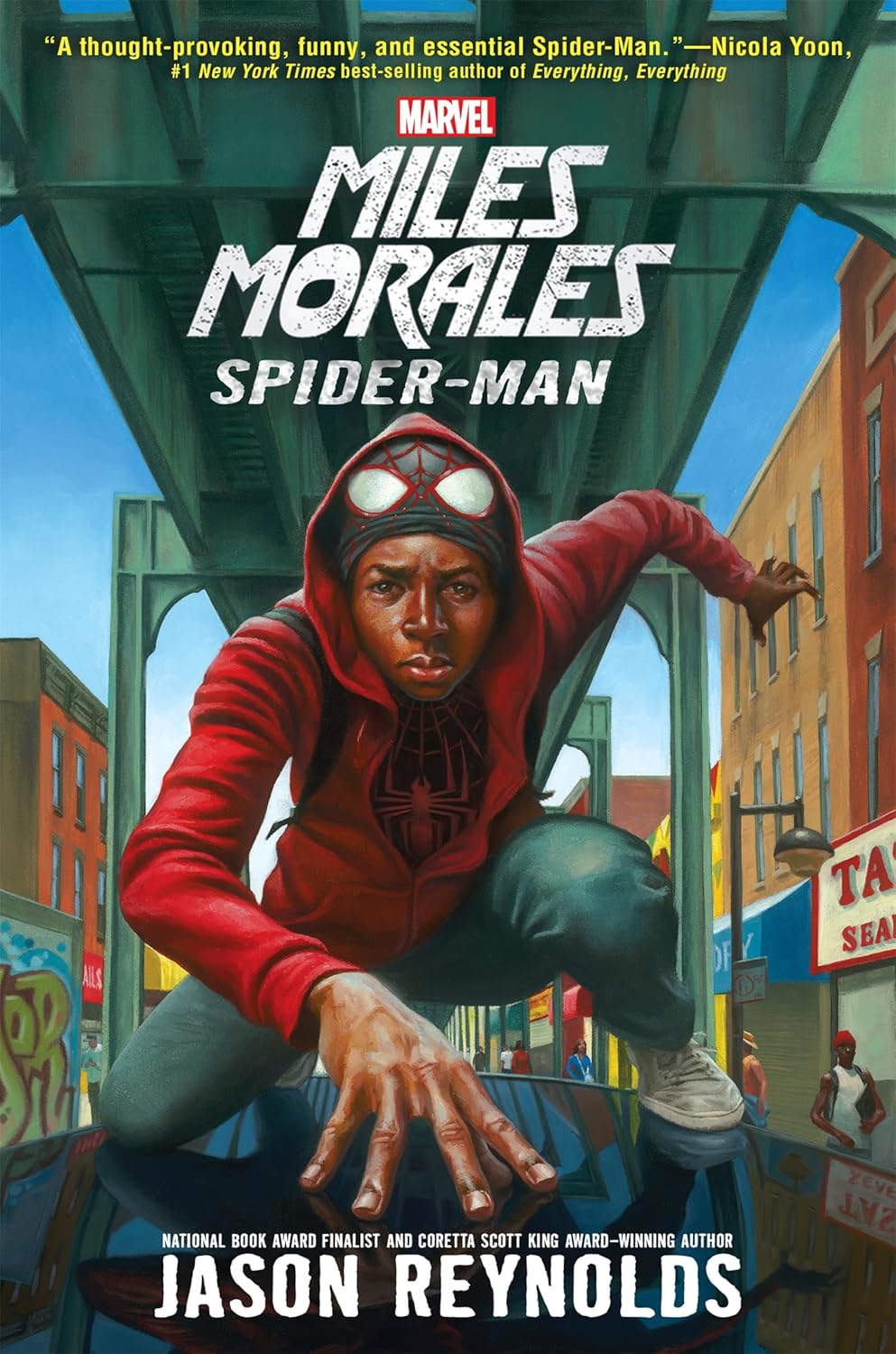
 Summary: An English lit grad school dropout is working as a researcher investigating the death of his former advisor.

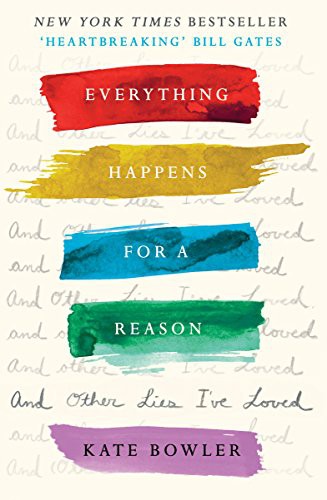 Summary: Tragic, often hard to read, but important reminders that the problem of evil is not easily solved.
 Summary: An introduction to the concepts, critique and future of Critical Race Theory.