 Summary: Scout (now Jean Louise) returns home to Atticus as an old man and her view of the world is shaken.
Reading this nearly two years after it came out, and after I have read many reviews, it is hard to be objective. I knew the basic story before I started. I knew why so many people really didn’t like the book and why many others thought that it was an important sequel. And I basically agree with both sides.
Go Set a Watchman is the story of Jean Louise’s return back to visit her family as a 26 year old. She has been living in New York City and her distance from her family and the culture causes a culture shock. Her hero worship of her father is crushed when she see him (and his now law partner and her current love interest Henry) at a Citizen’s Council meeting.
 Summary: Overworked and understaffed, Inspector Maigret has an obscure murder that doesn’t seem to make sense.
 Summary: A short devotional using music to to think about Jesus and our role as Christians.
 Summary: If you really need a summary, you probably aren’t going to read the review.
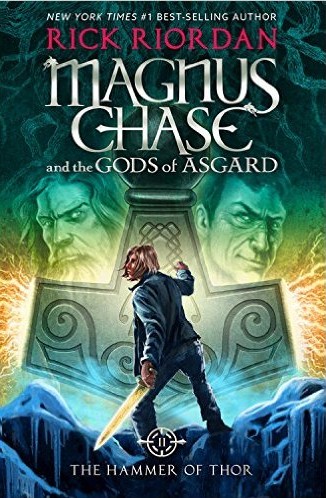 Summary: New series, new characters, a new set of gods, all of what made Percy Jackson good.
 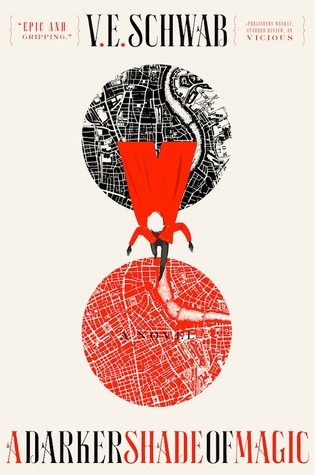 Summary: A fantasy multi-verse where four worlds are connected via the city of London, and a dark magic wants to destroy them all.