 Summary: Good summary on racial issues especially focusing on child and adolescent racial identity development and many educational issues related to child development or psychology.
I continue to be amazed at how many different aspects of racial issues that I have not considered or explored even in basic areas of race as I continue to explore the impacts of race on modern society.
I have known about the title Why Are All The Black Kids Sitting Together in the Cafeteria for years, but have not picked it up, both because I knew that the book was a bit dated and because I did not really understand what the book was about.
Primarily, although not entirely, this is a psychology book on child and teen racial identity development. There is more than that, but the focus on both child development and how race impact identity development are very good reasons to pick this book up. If you are a White parent that wants to help your children think clearly about racism and racial dynamics, but are concerned about how to do that in a developmentally appropriate way, there are lots of hints here on how to do that well.
But there are also all kinds of additional subjects that are introduced well that make Why Are All The Black Kids Sitting Together in the Cafeteria a very good introduction to racial issues today. First, this is a 20th anniversary edition and there is a 71 page prologue that in a relatively quick overview gives context for what has changed over those 20 years. In the introduction Beverly Daniel Tatum details what parts of the book has been updated and what parts have been largely left alone. But after reading it, it feels very current with recent research and recent examples. I do not know what the original version was like, but this is a book that feels current.
 Summary: A classic story of a Black woman’s life in Jim Crow era.
 Subtitle: In Which I Explain How An Ancient, Ambiguous, and Diverse Book Leads Us to Wisdom Rather Than Answers–and Why That’s Great News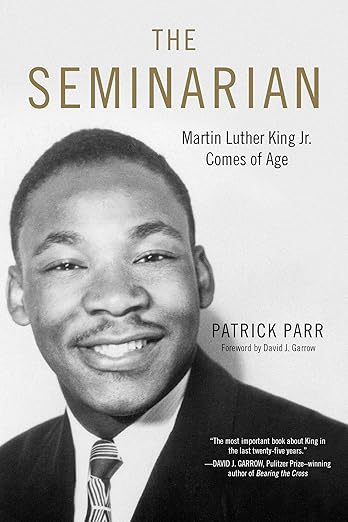
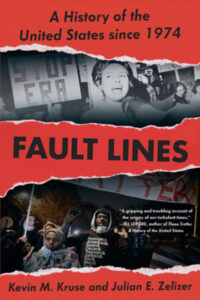 Summary: A recent history from 1974 focusing on the increasing polarization as a result of four “˜Fault Lines’, income inequality, racial division, changing gender roles, and changing sexual norms.
 Summary: The emphasis on love is not just doctrinal, or practical, or pragmatic, it is central to the way of Christ.
 Takeaway: I need to read this again.
 Summary: Blade, the son of a famous, but notoriously addicted rock star, tries to find his way to adulthood.
  Summary: An exploration of reading as a means of learning virtue.
 Summary: A family moves to the US and the three generations change, adapt and remain Bengali.