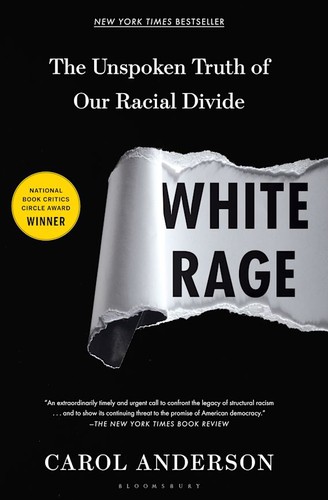
 Summary: The recounting of five White backlashes to Black gains in the country.
White Rage is not particularly long. It does not talk about everything, but instead gives an overview of five historical movements. We all know the history of the the events before these movements of White Rage, but the importance of Carol Anderson’s book is the framing of the story as Black gains then White rage.
The five movements pairs are, 1) end of slavery and reconstruction with the backlash to reconstruction and “˜redemption’. 2) The great migration pairs with the (White) race riots of the late 1910s and early 1920s. 3) Brown v Board with the anti-integration movement. 4) Affirmative action and the anti-affirmative action policies. 5) Obama’s election and the movement toward voting restrictions. These are not definitive for all of the examples of White Rage in US history but emblematic. And like what Jemar Tisby pointed out in Color of Compromise, each one was less overt and more subtle than the last, but still rooted in racism.
One of the aspect that keeps coming up in histories of reconstruction and the Jim Crow era is the relationship of arguments around states rights and racism. I know many people that are ideologically oriented toward Libertarianism at some level. I am unaware of any of these people adopting these political ideologies because of racism. But I also do not think that many Libertarians or small government advocates understand the racial history of Libertarianism or small government policies. Obviously, there has been plenty of racist results from national government policy as well. But part of grappling with history, has to be grappling with how different policy orientations have been misused to oppress. And while that does not mean that Libertarianism or small government, pro-business political orientations cannot be advocated, it does mean that there needs to be particular attention paid to how those political orientations and specific polities can uphold racism.
As is detailed throughout the book, even when the federal government was interested in protecting Black civil rights (which it often was not) courts or local government officials often actively worked against the federal government. In the Reconstruction era, the courts routinely ruled that the 13-15th Amendments could not be applied to the state or local government, or if they were, the federal government did not have the authority to intervene. In other words, if a local or state government violated a Black person’s right to vote, the federal government, even in a federal election, could not act to protect that right to vote. The person who’s rights were violated could only appeal to the very same government that had violate his rights (this was before women’s right to vote, so it was always his rights being violated.) It wasn’t until the Voting Rights Act, which has been significantly restricted in recent court rulings, that federal law was applied to enforce not just the right to vote, but the action of voting.
Already by the mid 1870s, charges of what is now commonly referred to as “˜reverse racism’ started to sweep through the courts. From the 1877 Hall v DeCuir which ruled that states could not prohibit racial segregation, then a series of cases in 1880 that allowed for constitutional exclusion of Blacks from juries to the final nail of Plessy v Ferguson in 1896, which effectively eliminated 14th Amendment protections, the roll back of Black rights happened because of either courts, or the unwillingness of federal government to actually enforce rights in the face of White backlash.
Read more
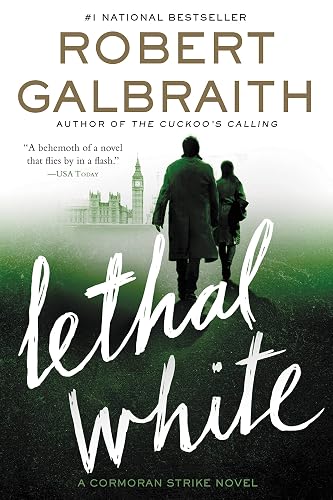 Summary: A year after Robin was nearly killed by a serial killer, both Robin and Strike are still trying to figure out how to work together and deal with their respective relationships, and attraction to each other.
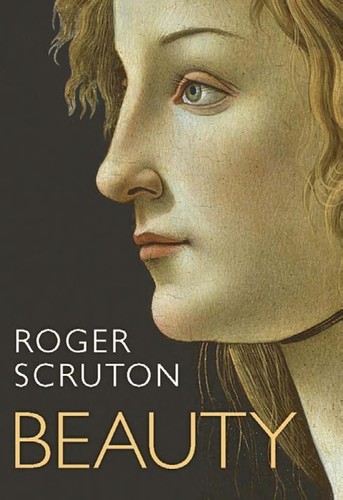 Summary: A brief introduction to what beauty is, why it is important and why we need to understand it.
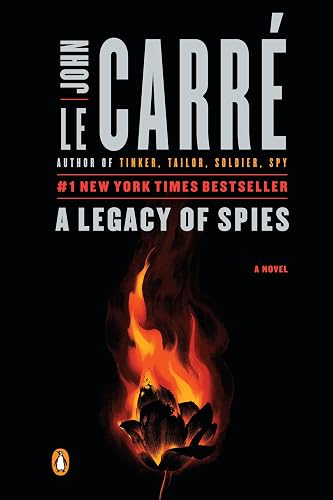 Summary: A follow up, along with back story for le Carré first big novel, The Spy Who Came in From the Cold.