 Summary: A case for “There is no Jew or Greek, slave or free, male and female; since you are all one in Christ Jesus” being part of an ancient baptismal creed.
I picked up The Forgotten Creed because of conversations around race. As I have listened and participated, the passage in Galatians 3:28, “There is no Jew or Greek, slave or free, male and female; since you are all one in Christ Jesus” (CSB) is frequently brought up. Usually when it is brought up in these conversations, it is being cited by White Christians that are using it to say that Black and other People of Color are in sin because they are paying too much attention to their racial status.
That reading is not what I understand Gal 3:28 to mean in context. But when I saw The Forgotten Creed I thought I should read more about the history. Patterson from the very beginning is taking a clear position. He mentions identity from the very beginning and I think that opening with a clear position of focusing on identity will alienate some readers.
But right before the mentioning of identity in the In the introduction Patterson suggests that the common scholarship for Colossians, Ephesians, 1 Timothy, and Titus is that they are a pseudonymous, which he says are “˜forgeries’. That is not a great opening. Essentially it is the only thing that World Magazine says about the book in its short review dismissing the book. Patterson has been part of the Jesus seminar and his demythologizing includes dismissing Paul’s conversion story and removing Paul and Barnabas’ commissioning by the Antioch church and replacing it with Paul leaving in disgrace because the circumcision party at Antioch pushed him out. All of this really undercuts Patterson’s argument with many of the people that he wants to convince of his main point.
The main point of The Forgotten Creed is that Paul is citing an early baptismal creed (one that Paul likely didn’t write but was citing) that called on Christians to transcend, class, ethnicity and gender, three lines that were not crossed in the culture around the early church. This is similar to the way that NT Wright, in his biography of Paul similarly suggests that the early church was unique in the way that it transcended geography (national boundaries), ethnicity or culture, and class. So Patterson is not claiming something unique or original here. But he is suggesting that it was a focus of the early church that seems to have gotten lost fairly early in the church history. First in becoming detached from the Jewish origins. And then becoming patriarchal.

 Summary: Brief (140 page) biography of the philosopher and public intellectual Hannah Arendt.
 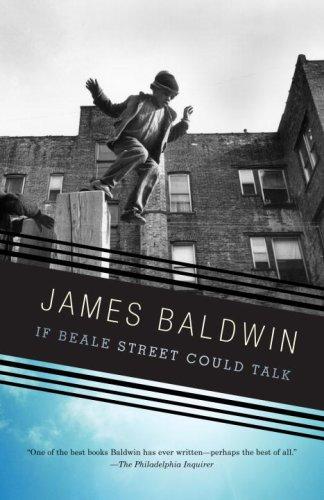 Summary: A young woman recounts her relationship with her fiancee, while facing his imprisonment on trumped up charges and her pregnancy with their coming baby.
 Summary: Two teens meet in a church youth group and find friendship, healing, and purpose.
 Summary: Making the argument that racism is antithetical to the gospel and that the church needs to work to overcome it. With the primarily example that reaching out and building relationships as the best means to more fully understand and build coalitions within the church to overcome racism.
 Summary: Theological Reflection on the problems of mass incarceration, especially in regard to racism and poverty.