 Unfortunately for Thomas and his fellow Gladers, the maze was only the beginning. With an impressive opening weekend in the box office, the second installment in The Maze Runner series solidifies the latest dystopian trilogy as a hit. Maze Runner: The Scorch Trials is just the latest in a long line of dystopian fiction to hit the market. In recent years, the young adult dystopian genre has seen a boom of new books published and adaptations continue to hit the big screen at a continuous and steady rate.
Of these adaptations, some have risen to the top of the heap, while others have fallen to the side of the road. The Maze Runner adaptation was initially written off by many critics, and even a few fans, as another mediocre entry into a flooded market. As if to prove these naysayers wrong, screenwriter T.S. Nowlin and director Wes Ball have returned with an even more action-packed adventure straying further from its source material than the original.
The Scorch Trials sees Thomas free of the Maze but far from true freedom. Upon discovering that the omnipotent group known as World in Catastrophe: Killzone Experiment Department – or WCKD – had been responsible for trapping the group in the maze as a sort of experiment to fight against a post-apocalyptic threat, we once again watch as Thomas leads his fellow Gladers out into a desolate area known as the Scorch and fight to escape WCKD’s experimentation plan. After being rescued by a mysterious third-party group and becoming suspicious of their true intentions, Thomas and the group once again venture out into the Scorch taking us on a wild ride coming up against deadly superstorms, depraved scoundrels, and lethal “œCranks.”
 Summary: A family law judge wrestles with the ethical issues of her job and the personal issues of her life.
 Summary: A high flying lawyer, with no time for the spiritual life, is forced to confront the spiritual world.
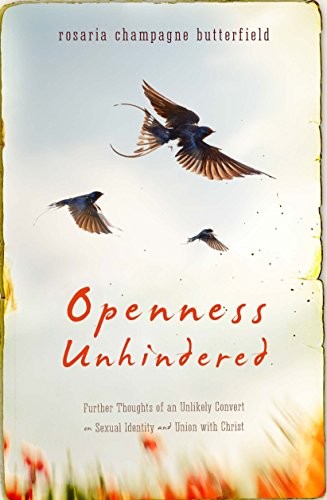 This book is a lot of things. It’s a mini autobiography of the author and her transformation from liberal feminist and queer theorist to evangelical Christian; it’s a theological treatise on sin, identity, mortification, sanctification and the gospel of grace; it’s a discussion of sexual orientation and its Freudian roots as a 19th century category error; it’s about biblical hospitality and how to engage your neighbors and include them in your daily rhythms of life.
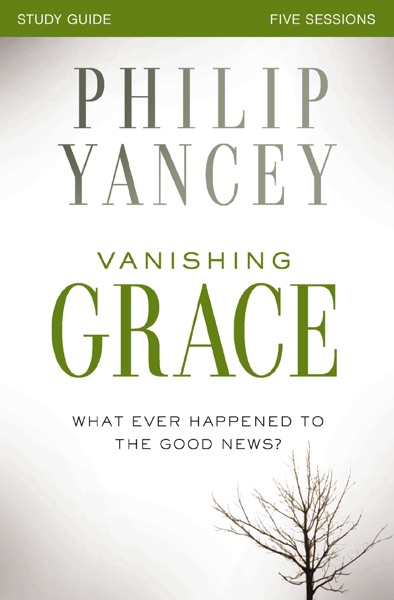 Summary: The central message of the gospel is grace. If the world around us understands the central message of the church to be judgement, then we have messed up the message that Christ came to give.