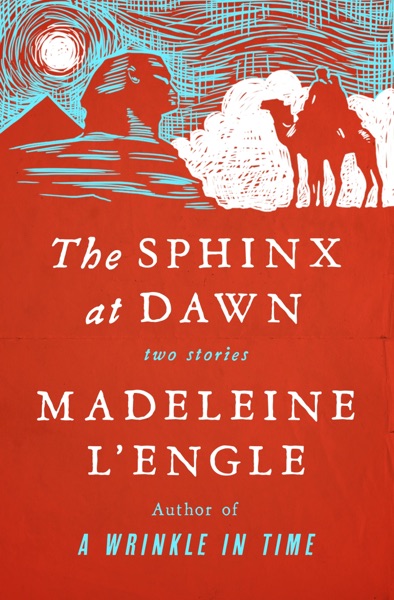
 Summary: Two short stories about Jesus as a child in Egypt.
I have been reading Madeline L’Engle’s Crosswick Journals. These are a series of four memoirs that are thematic, but tracing a summer at her rural Connecticut home. She and her husband lived there for seven years early in their marriage before returning back to New York City to live full time (her husband was an actor.)
But during the summers they mostly lived at Crosswick. I am almost finished with the second of them and I have very much enjoyed her wisdom and understanding more about her as a person as she recounts her story and the story of her family.
So I am picking up anything that she has written as it goes on sale. (A digital publisher has picked up digital rights to many of her out of print books and has been releasing them over the past year.) The Sphinx At Dawn was released in February and briefly on sale a couple weeks ago.
 Summary: There is no way to really describe this book.