 Summary: Another reading with my 11 year old daughter.
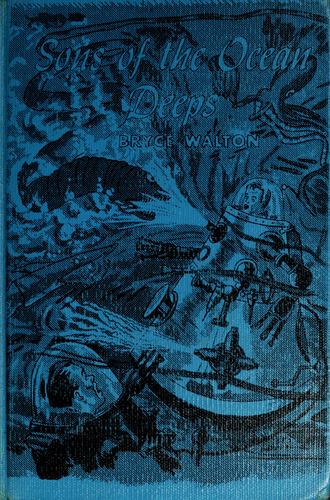
This is my third reading of Son of the Deep. I read it in 2020 when it was only released digitally. And then I read it again in 2022 after it was released again by Owl’s Nest Publishers. And this summer I read it a third time with my 11 year old daughter. I don’t read as much out loud to my kids as I would like to. But over the summer I try to read to them at least a couple times a week. For the first time, my kids have chosen to read separate books (both by KB Hoyle.) I think they both would like both books, but they are together almost all the time and only 15 months apart, so letting them have something that is just for me and each of them individually has also been a nice part of this summer’s reading.
My daughter likes to read before bed to try to avoid having to go to sleep. So the longer the chapters, the better for her. The chapters seem to increase in length as the book goes on. I am not going to write as much about the story here as I am going to comment about my daughter’s reaction to the book. (You can read more thoughts on the book here.) My daughter had never read the older Hans Christian Anderson version of the Little Mermaid, only the two Disney adaptations. She is a fan of the movies and dressed up as Ariel on one of our trips to Disney World when she was almost 4.
It has been a little while since I have read out loud to her so I think she was a bit reluctant to let me read. I talked about how I both really do like reading out loud and sharing stories with her and giving us something to talk about. But also practically, reading out loud is a good way to expand vocabulary and to learn to understand texts. My daughter struggles with reading and while she really enjoyed reading graphic novels, she does not pick up books on her own that are only text.