 Summary: A readable, recent introduction for those new to Anglicanism.
Fads are a reality of the world, Christian as well as not. In my world right now, converting to Anglicanism seems to be almost the level of a fad. Not that I think there is anything wrong with returning to a more liturgical practice of Christianity, or participating in the second largest global body of Christians. Honestly, if the Parish were on my side of town, instead of the opposite side of town, I would be seriously considering it.
Over the past couple of years as I have been reading James KA Smith (not Anglican) and gaining a greater understanding of the Liturgy (and maybe just getting older), more people in my extended digital world have been doing the same. Eddie Kirkland, former worship director at my church has started the Parish, Glenn Packiam as formed an Anglican congregation inside of New Life Community Church in Colorado, Scot McKnight has been ordained Anglican, Aaron Niequist, while not officially moving toward Anglican ordination as far as I know, has started a Sunday evening service at Willow Creek that by description seems to lean Anglican.
Personally, my theology has become much more sacramental and much less Baptist over the past 10 years or so years since I stopped working for the Southern Baptists in Chicago. I am also far less interested in arguing minor points of theology and much more interested in a Christianity at accepts all that hold to the Nicene Creed or other traditional Creeds.
So The Anglican Way is exactly right type of book for me. Thomas McKenzie is a parish pastor in Nashville (and the exact same age as I am I assume since he graduated from high school the same year I did according to one of the stories). He grew up in an Episcopal church, but was not really active until he went to college and was introduced to a charismatic form of Anglicanism.
The first section of the book is about the balance within the Anglican Way (illustrated by the Compass Rose) between Charismatic and Orthodox, Conservative and Liberal, Activist and Contemplative, Evangelical and Catholic. Temperamentally, that type of focus of relationship within theological and practical tension appeals to me. I want to be around, and worshiping with Christians, that are different from me, while still broadly holding to the orthodox tenets of Christianity.
Read more
 If you signed up for Kindle Unlimited when it first was announced your first three months is just about to end. I have been using Kindle Unlimited actively during that time and wanted to update my initial thoughts about the value of the service and who should think about using it. I am not going to pretend that I am an average reader, I read more than at least 95% of the public. But I do think that for at least some, Kindle Unlimited is valuable.
 Summary: An older biography of Lewis, but with the memories of a friend and student.
  Summary: A human starship has returned from its first visit to another star system, but it did not come back alone.
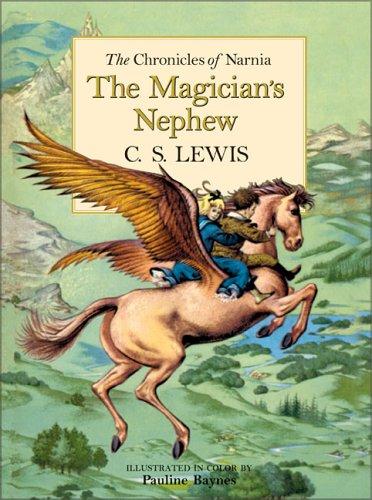 Takeaway: Wonderful illustration of creation as metaphor
 Summary: An introduction to the theology, but not much on the practice of Centering Prayer
 Summary: The subject of Doro’s breeding program, after several thousand years, comes of age.
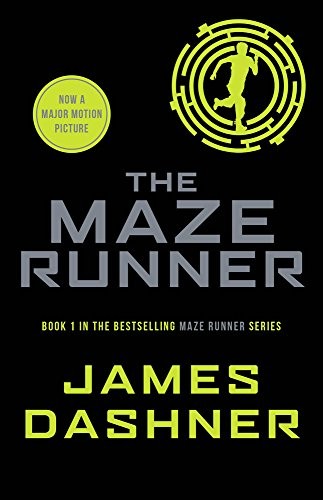 The Maze Runner By James Dashner is the first part in a three part series about a group of teenagers who find themselves in the middle of a maze. Every month a new boy wakes up in the strange new world, the Glade, to find his memory wiped. Each day the boys struggle to survive in this existence where they are given the mere essentials. Leaderships form and boys are assigned to work jobs where they excel the most. One job is to be a runner and go out each day in the maze to see if a way out can be found. The story revolves around Thomas who desires to become a runner as it appears that he may know more about the maze than most.