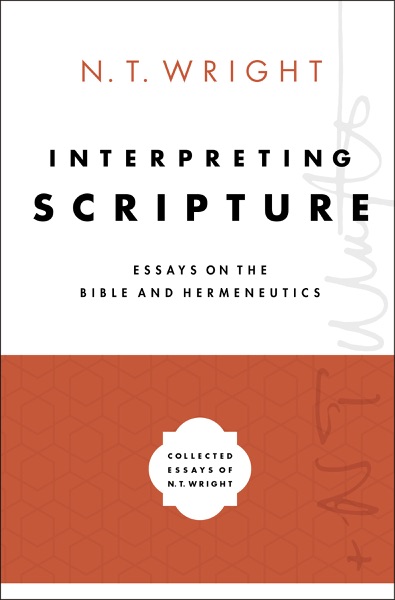
 Summary: Wright at his best tells a new narrative about an old story. In this book too many issues cut short the narrative.
I am an unabashed fan of NT Wright. I have read most of his popular level books (except the commentary series) and a few of his more academic oriented books. I appreciate his focus on calling people to a fresh look at scripture and his ability to take scripture seriously while maintaining real academic quality.
But on the whole I was disappointed by this book. It is a re-working of articles that have previously appeared elsewhere. Most of them were commissioned by US journals or from chapters in books that were for US audiences, so as a Brit, he is most of the time consciously writing for the North American Evangelical audience.
His basic argument, like most of Wright, is that given historical realities of the original writers and audience, we modern readers tend to be missing the intended point of the original writers.
As with most Wright he needs to go through a fairly long narrative to be able to help the reader understand his point. And I think that is why his full length book treatments are better than these shorter issue based chapters.
The problem is not so much the individual chapters, but that in almost every case, he has a better response in a full length books (and he frequently tells the reader that there is more to the story if you want to pick up another one of his books.) So his first three chapters on science and religion, the historical Adam and the resurrection were all better handled by his book Scripture and the Authority of God.
 Summary: Differing perspectives on theological issues allow us to see other views and approach our views with more clarity.


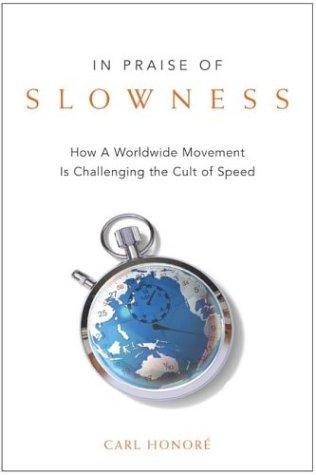 Takeaway: A bit repetitive, but the basic idea, that slowing down, enjoying life, and doing things well instead of fast is a good reminder.
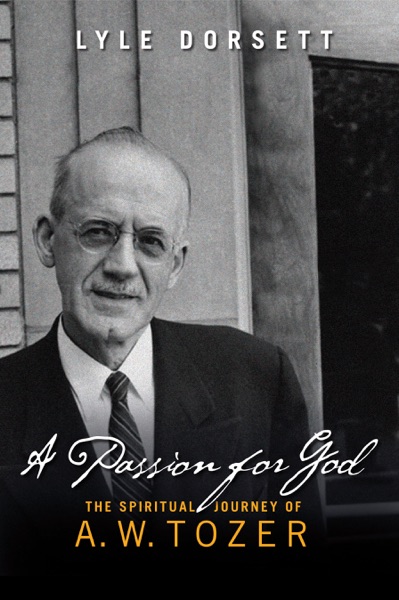 Summary: AW Tozer is one of the great spiritual writers of the 20th century, and a prime example of God using less than perfect people.