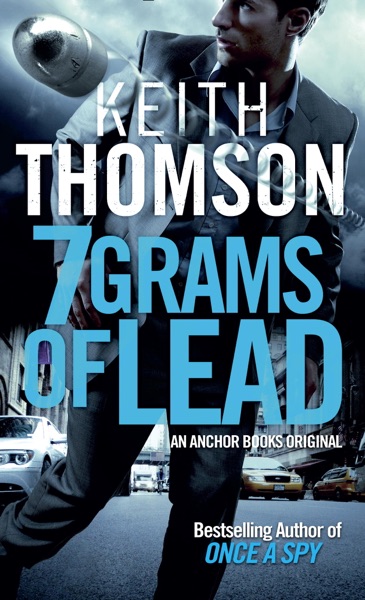
 Summary: A journalist tries to stay alive while tracking down a story about abuse of power by a rogue agent.
Several years ago I was turned onto Keith Thomson when John Wilson (editor of Books and Culture) talked about Thomson’s earlier book Once a Spy.
Once a Spy was part of my getting back into spy novels that lead to me reading a number of John le Carre’s books and other classic and contemporary spy novels.
I picked up Seven Grams of Lead when it was the Kindle Daily Deal a couple weeks ago (and on sale for $1.99).
On the whole this was a much more traditional thriller than the Once a Spy/Twice a Spy books. Russ Thornton is a journalist/blogger that is known for his investigative reporting on government and big business. When an old friend calls asking for help (and ends up dead), Thornton realized that he was the one that inadvertently gave away her secret because his body had been bugged.

 Takeaway: Inefficiency at work often means taking away time from home.


![Great Expectations | [Charles Dickens]](https://bookwi.se/wp-content/uploads/2026/07/cover-34499.jpg "Great Expectations | [Charles Dickens]")
 Summary: Georgie tries living on the wild side. Things do not go well.