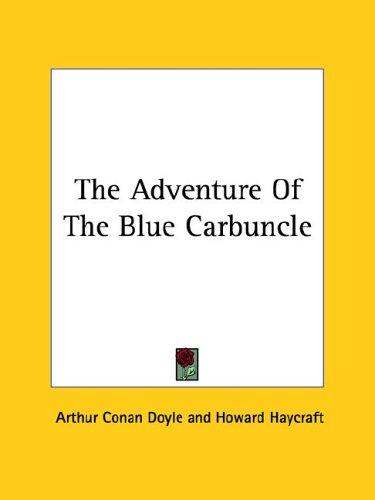
 Summary: A short Christmas themed Sherlock Holmes mystery.
Audible.com gave away The Adventure of the Blue Carbuncle as a Christmas gift to its members. I believe it is still available whether you are a member or not. This is a classic Sherlock Homes story. And it confirms why I am not a real fan of the great master of mystery.
Part of the problem of Sherlock Holmes is that he thinks he knows everything. In the more modern incarnations like the new TV show Elementary, Sherlock is brilliant, but frequently wrong because he makes assumptions based on what he knows. As the assumptions are informed by new evidence he makes new assumptions.


 As an example I decided to give myself a kindle book to create a how-to post. First you need to find a book that you want to give. I decided to give