I have stopped doing traditional ‘best of’ lists the past couple of years. Instead, I have written about what has impacted me in different areas. Below I also give some stats on the diversity of the authors of my reading and the topics of my reading.
Confronting History
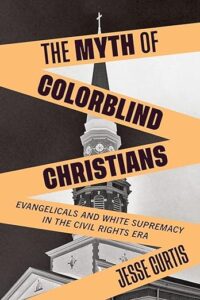 History is a significant interest of mine. It is hard to understand our current era without understanding the influences that led to our time. That history matters, whether it is large-scale societal history or smaller stories. The Myth of Colorblind Christians: Evangelicals and White Supremacy in the Civil Rights Era told the recent history of Evangelicalism and its adoption of a colorblind approach to dealing with racial issues. It is an excellent follow-up to Color of Compromise, which is a popular introduction to racial issues within the church.
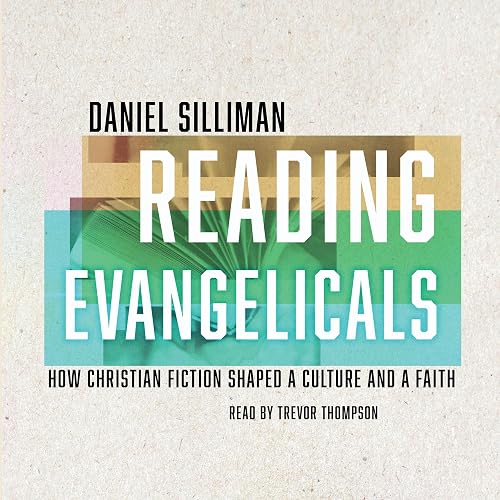 Reading Evangelicals: How Christian Fiction Shaped a Culture and a Faith was a surprise. I am not a particular fan of Evangelical Christian Fiction, and I do not read much of it. But using five novels that shaped Evangelical Christian Fiction to tell the story of Evangelical publishing and give context to the recent history of Evangelicalism was very effective. I think there could have been more critique of the quality of the literature, but I came to the book fairly blind and was very pleased with how much I enjoyed it.
How the Word Is Passed: A Reckoning with the History of Slavery Across America by Clint Smith is one of the top handful of books I read. It is a lyrical and powerfully written book. Using the power of place and personal narrative, Smith visited sites of importance to American racial history and told the story of those places in personal terms. I listened to this as an audiobook, and his narration is perfect. With the eye of a historian and a journalistic confrontation of how these places frame racial history to people today, Smith reminds the readers that history is not just in the past but is important to how we tell our story.
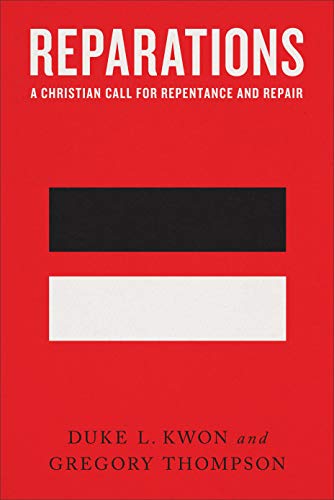 Reparations: A Christian Call for Repentance and Repair by Duke Kwon and Greg Thompson is directly about historical confrontation. Few topics are less popular among White Evangelicals than reparations; according to polling I have seen, between 1 and 3 percent of White Evangelicals support large scale reparations for slavery. But Kwon and Thompson make the historical and theological case for why they think that reparations are an important response to both slavery and the larger reality of racism. Also, they make the case that churches and individual Christians should attempt smaller forms of reparations not just advocate for larger governmental reparations programs.
The Sum of Us: What Racism Costs Everyone and How We Can Prosper Together is not really history, but sociology or public policy, but I think it fits here best. The central metaphor of the book is the public swimming pool. In the 1920-40s, thousands of public swimming pools were built by local communities. As desegregation slowly occurred in the 1940s-1970s across the country, many communities chose to permanently close public swimming pools, removing a community asset that had already been paid for rather than integrating it. That metaphor shows how racism extracts a cost on the whole of society, not just racial minorities. The book highlights how many White people, especially those of lower economic status, are harmed by policies originally put in place based on racist ideology. Areas as diverse as health care, jobs, housing, voting, and education continue to be impacted by racism. It is irrational to continue to support policies that directly harm ourselves, but it continues to happen.
Other Perspectives
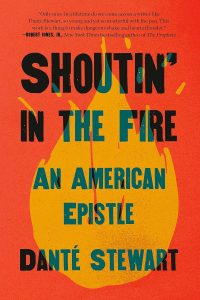 Shoutin’ in the Fire: An American Epistle by Dante Stewart, along with How The Word Was Passed, are the two best-written books I read this year. Both show the importance of the craft of writing. Shoutin’ in the Fire is hard to categorize. It is not quite a memoir and not quite a collection of essays, but it is an interesting mix that highlights his skill as a writer to tell his own story and how racism continues to impact the church.
Permission to Be Black: My Journey with Jay-Z and Jesus was not a book written for me. But one of the reasons I want to expand the diversity of authors I read is to overhear stories that expand my world. Primarily this is a book that confronts mental health, generational trauma, and relational health as a Black man. All of these topics are important for many groups, but I think the particularity of this book for Black men can still be helpful for others to overhear.
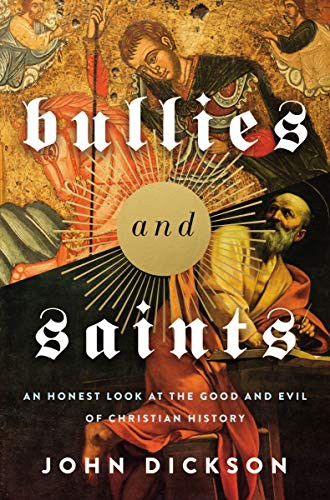 Summary: An overview of the tension between the church’s good and bad behavior throughout church history.