 Summary: “A lot of people want to skip ahead to the finish line of racial harmony. Past all this unpleasantness to a place where all wounds are healed and the past is laid to rest.” (Page 140)
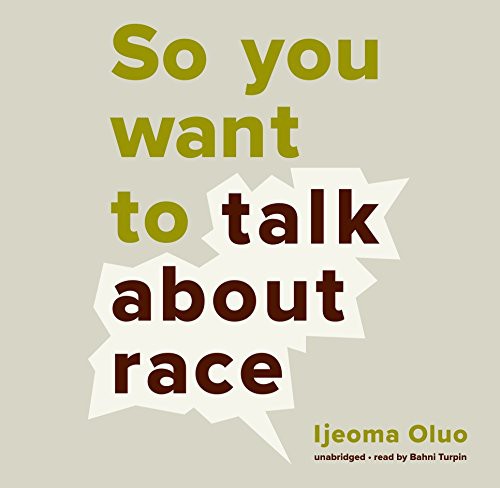
Race can be difficult to talk about clearly. Many Whites are reluctant to talk about race because they do not want to accidentally say something offensive. Many minorities are reluctant to talk about race because they are tired of the conversations that do not seem to actually get anywhere. In So You Want to Talk About Race, Ijeoma Oluo steps into the gap with a primer on race discussions.
With each new book I read, I have a tendency to say, ‘this is the best so far’. This is in part a bias toward newness. But I think it is also my tendency to see where each new book I read brings something slightly different and unique to the discussion.
So You Want to Talk About Race is very straight forward. The first chapter defines race. The second chapter talks about what racism is. The third chapter talks about why we should talk about race and the fear of doing it wrong (short version, if you want a real relationship, you have to talk about real issues.) Each of the chapters cover a fairly narrow topic and build on the previous topic. Privilege, intersectionality, police brutality, affirmative action, school to prison pipeline, the ‘N’ word, cultural appropriation, hair, microaggressions, anger, the myth of the model minority, I got called a racist, etc round out the book.
There are a lot of books on race. And very few of them would not be helpful to at least someone. One of the benefits of a wide variety of books from a wide variety of authors is that they can target particular audiences and bring different perspectives to show that there is not a single perspective on race and racism.
So You Want to Talk About Race has one of the better treatments on intersectionality. There is a lot of misunderstanding about what intersectionality is. A recent blog post I read suggested that intersectionality is a competition to see who is most oppressed, the winner gets to tell everyone else that their opinions do not matter. That, of course, is a ridiculous misunderstanding of the concept.
In an overly short form, intersectionality is the concept that different types of discrimination impact people differently and they cannot be all handled the same. For instance, a woman that experiences sexism is discriminated differently from someone that is in a wheel chair. It would do no good to tell the woman that is discriminated against because of her gender that the way to solve her problem is to have more accessible workspace with more ramps and bathrooms and a good health plan. But in addition to recognizing that there are different types of discrimination, one person may be discriminated against in multiple different ways at the same time.
Read more
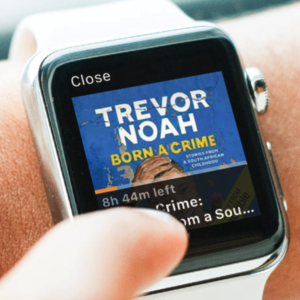 Just over a week ago, Audible released its first Apple Watch app. Considering the Apple Watch has now been out about 3.5 years now, Audible has not rushed an app to market. In many ways, I do not think the Apple Watch has been ready for an Audible app until the last generation or two of Apple Watches and software.
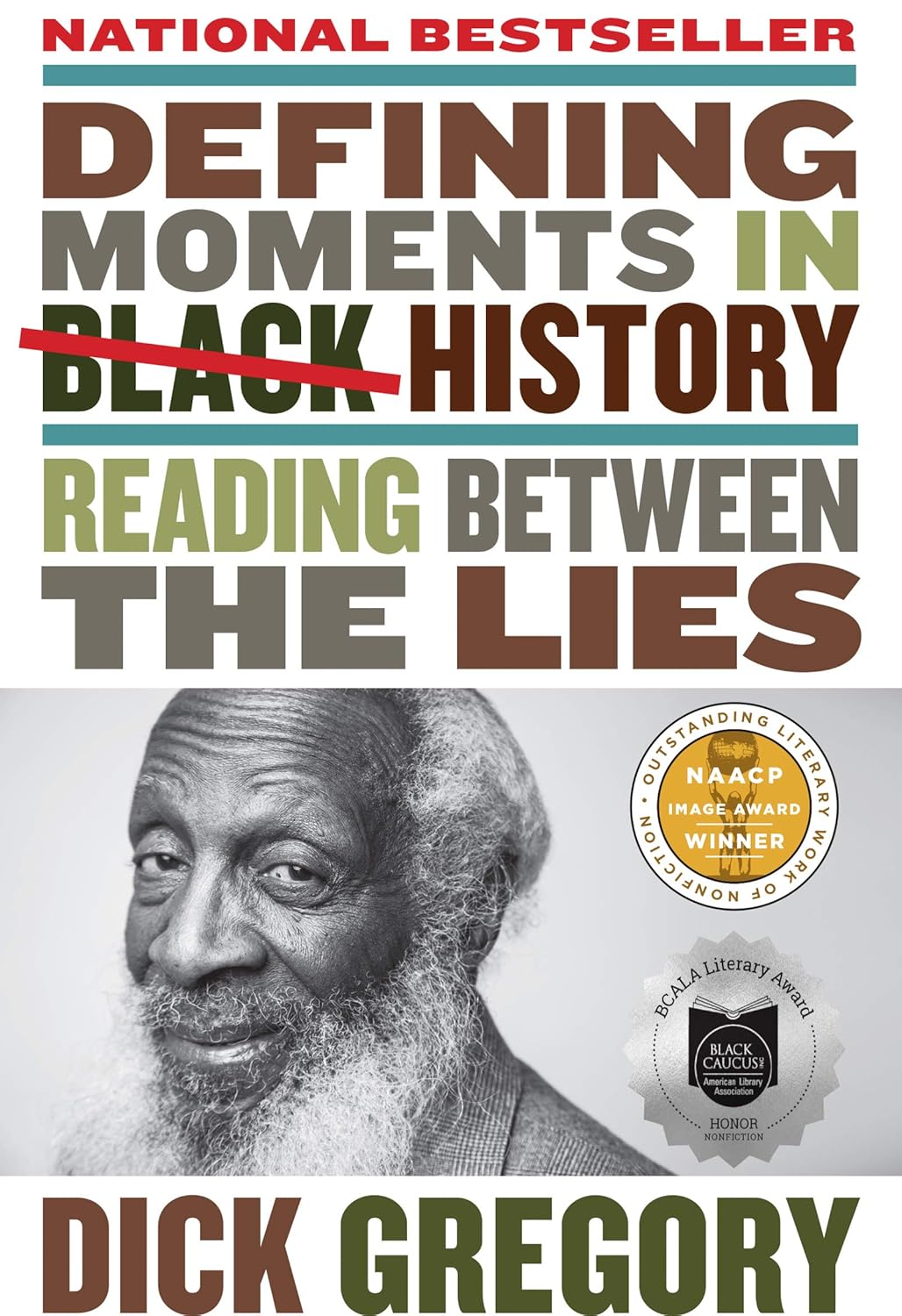
 Takeaway: Well-crafted stories are a joy!
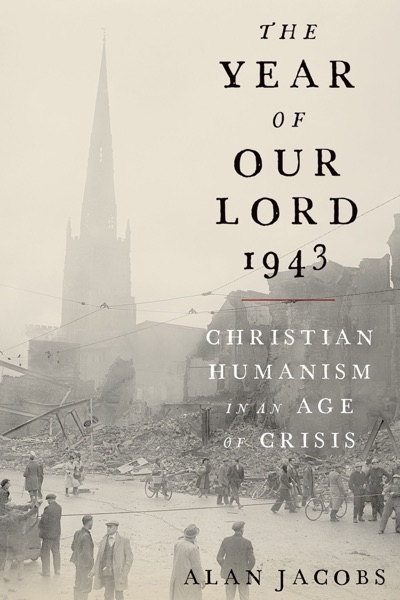 Takeaway: Education as virtue development has been on the horizon for a while.
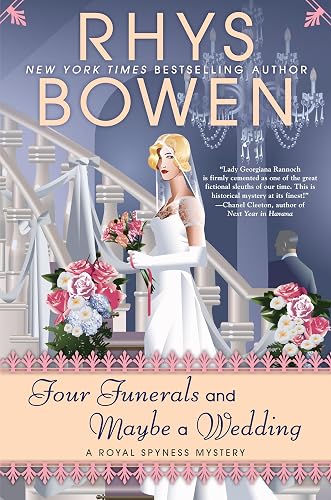 Summary: She gets married. Finally.