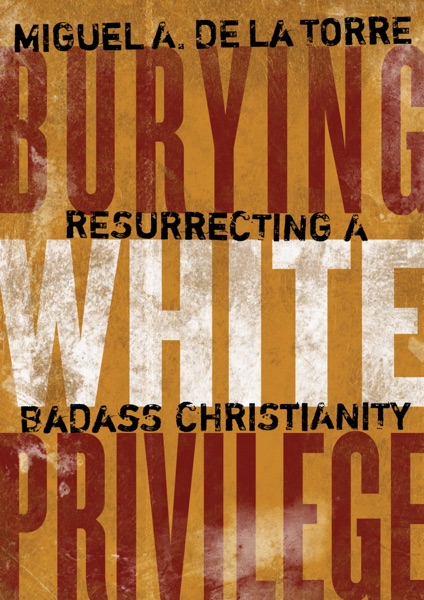
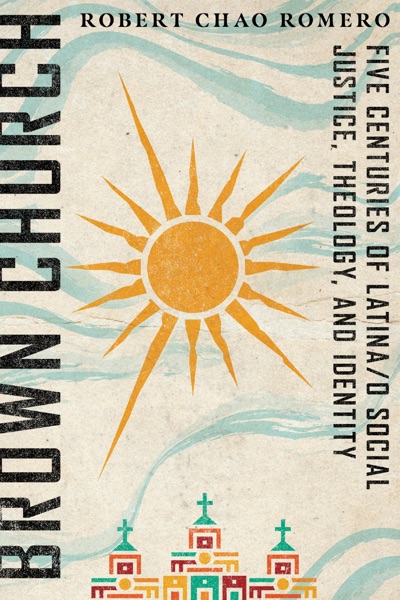
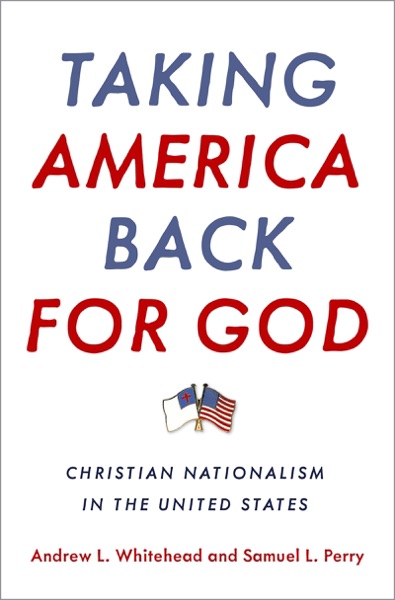
I have read fairly widely around various issues of race, but certainly, there are far more books that I have not read than that I have read. So a book not listed here is likely not here because I have not read it or haven’t written about them. I fully realize that this is an overwhelming list. Don’t think of it as something to be completed, but as a resource to find books that particularly interest you.
Background
I strongly believe that books and topically reading should be personalized. Everyone has different interests and different backgrounds. Because of that, no list of books should be assumed to be universal.
I also am biased toward reading books by Black, Brown, Indigenous, or other people of color on issues of race, not exclusively, but primarily.
I am also biased toward history and biography more than ‘self-help’ styled books. It is not that books that are oriented toward psychology or sociology or in other modes trying to explain racial issues are not important, they are, but without a background in the actual history, there is often missing information that impacts the conversation.
I am also primarily putting this list together for White people to read about race.
Links below are to my posts on the various books.
Various Starting Points and Categories
Survey History: The Color of Compromise: The Truth about the American Church’s Complicity in Racism by Jemar Tisby – This is a book oriented toward US history and framed for Christians, talking primarily about Protestant history. It is a good overview, just over 200 pages, and designed as a starting place. There is also a video curriculum if you want to use that instead of the book.
Primer to Talking about Race: So You Want to Talk About Race by Ijeoma Oluo – Oluo writes like a blogger with short chapters, lots of stories and illustrations, and clear definitions. I think this book handles concepts of privilege, intersectionality, and microaggressions as well as any introductory book I have read. This quote gives a good sense of the book “œA lot of people want to skip ahead to the finish line of racial harmony. Past all this unpleasantness to a place where all wounds are healed and the past is laid to rest.” An alternative would be How to Be an Antiracist by Ibram Kendi.
Racial Identity: Why Are All the Black Kids Sitting Together in the Cafeteria?: And Other Conversations About Race By Beverly Tatum – The 20th Anniversary version of this book has a 70-page introduction covering the racial history of the 20 years from the original publication and it is a great addition to the book. This is a wide-ranging book, but where it shines is descriptions of racial identity acquisition, education, and youth issues around racial identity and good discussion about cross-racial dialogue. An alternative from a memoir orientation is Native: Identity, Belonging, and Rediscovering God by Kaitlin Curtice which is about a Potawatomi woman trying to grapple with her Native American heritage and identity.
White Authored Book on Race: Good White Racist?: Confront Confronting Your Role in Racial Injustice by Kerry Connelly. This is a no-nonsense book, not intended to make White people feel good about race, but to particularly focus on why so often, White people want to be perceived as ‘one of the good ones’. The message of the book is “œthe very first rule in antiracism work: stay in the room, even when it gets hard and uncomfortable.” Good White Racist is a Christian book. Other examples that I also would recommend as alternatives are White Awake by Daniel Hill or America’s Original Sin: Racism, White Privilege, and the Bridge to a New America by Jim Wallis or if you are looking for a secular author White Fragility by Robin DiAngelo.
Building Relationships Across Racial Lines: Be the Bridge: Pursuing God’s Heart for Racial Reconciliation by Latasha Morrison – Story matters a lot to the way that many understand racial issues. This is part memoir, part organizational mission, part ‘how to reach across racial lines’. It is hard to separate Latasha Morrison’s story from the work of Be The Bridge and her passion is the mission of the organization and that mission has a clear method. An alternative book in a similar vein is Black and White: Disrupting Racism One Friendship at a Time by Teesha Hadra and John Hambrick.
Bible Study: Who is the Holy Spirit? A Walk With the Apostles by Amos Yong – It has been nearly a decade since I first read this commentary on Acts. It is not particular about race, but it does pay attention to how Acts is situated around crossing boundaries, ethnicity, gender, class, and other lines. Yong’s commentary is a great example of how White Americans can misread the bible and so I suggest pairing the commentary with Misreading Scripture with Western Eyes: Removing Cultural Blinders to Better Understand the Bible by Randolph Richards and Brandon O’Brien. Misreading Scripture again is not about race, but about culture and the issues of culture do matter. Two more supplementary books that are helpful would be One Bible, Many Versions: Are All Translations Created Equal? and Acts: A Theological Commentary on the Bible by Willie James Jennings.
Graphic Novel Formatted History: March by John Lewis, Andrew Aydin and Nate Powell – This is a trilogy of graphic novels that tells the civil rights era through the story of John Lewis. He was a central figure and the format of the graphic novel works very well, not just for young adults, but also for adults. The same artist did The Silence of Our Friends, which is historical fiction based on the father on one of the authors. And a graphic novel version of Kindred, which I don’t think is quite as good as the full novel but still worth reading. Kindred is a novel about a Black woman in the 1970s that is sent back in time to save her White slave-owning ancestor and who is enslaved in the process. There is also a short book on John Brown.
Theology: The Christian Imagination: Theology and the Origins of Race by Willie James Jennings – If you are interested in a more theological book, this is where I would start once you have some of the basic ideas and concepts of racism. This is a theological exploration of the origins of race similar to Stamped from the Beginning but tracing the theological history. An alternative that I recommend just as highly is The Cross and the Lynching Tree by James H Cone. I find it hard to recommend Cone if you do not read his memoirs because if you do not understand his life and motivations, it can be hard to fully understand his theology. If you are going to read one memoir, read his last Said I Wasn’t Gonna Tell Nobody but if you have time to read both, read My Soul Looks Back first.