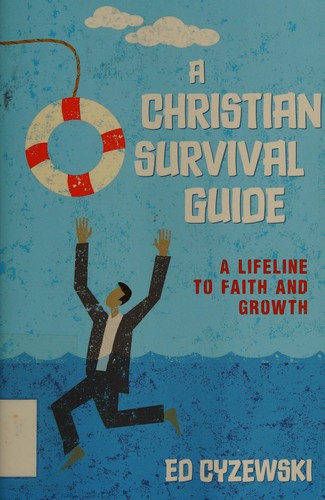
 Summary: The basics of Christian practice and belief from someone that survived their faith.
One of the problems of my life is that I spend very little time with people that actually are non-Christians. I am a stay at home Dad, I work part time out of the house in my spare moments, my prefered enjoyment activities are reading and being alone.
The time I do spend with people is usually my extended family or church small group. In spite of that I feel like I know a lot of “˜post-Christians’. Those that have grown up in the church or on the perefery of the church, but have an uneasy relationship with the church now.
The US makes being a “˜none’ easier all the time. And for many, it is far easier to walk away from the church when things get difficult than it is to struggle through to a new equalibrium. Or at least that is how I describe it. It seems to me that there are many points in time where all is good, you are comfortable, you have faith, you see God working, and things make sense. But then there is a crisis of faith, or a dry spell or a tragedy or something that breaks that equilibrium and you have a choice of searching for a new equilibrium or to just stop fighting.
Ed Cyzewski has written this guide for two groups of people, those that have no background in the church, or those that have lost their equilibrium and need to find a new one. For both readers, the old answers aren’t working any more. New Christians have different questions because they didn’t grow up in the church and they are culturally ill-disposed toward the standard answers that were based in a previous generation’s questions. And those that have grown up in the church and had their equalibrium break, the standard answers were probably what caused the break in the first place.



 Summary: A series of six lectures on spiritual development.